


Being able to negotiate effectively can make the difference between getting an admirable deal or being taken for a ride for the used car you purchase. Buying from a private party can offer distinct advantages such as getting a lower price, having access to repair records and knowing who the previous owner is. Realizing these benefits and using them to your own advantage can help you get the best possible deal for the vehicle.
Identify the average value of the vehicle. The Kelley Blue Book is an industry standard in determining the approximate value of the vehicle based on the vehicle's year, mileage and trim options. Purchase an actual book or use the company's website to complete the valuation. NADA also offers a valuation of used vehicles from private parties.
Research the marketability of the vehicle. Even if a vehicle is "worth" a certain amount, this doesn't really matter if people are not willing to buy it at that price. Look at websites that offer similar vehicles for sale or review classified ads in your local newspaper. Check the value of the new version of the vehicle to see how the used price compares. If the used value is close to the new value, the vehicle is probably in higher demand, and there may be less room for negotiation.
Check the vehicle's history. A vehicle history report can verify the accuracy of the title and mileage. It can also show if a vehicle has been totaled or damaged in the past so that you will know if there is more room for negotiation.
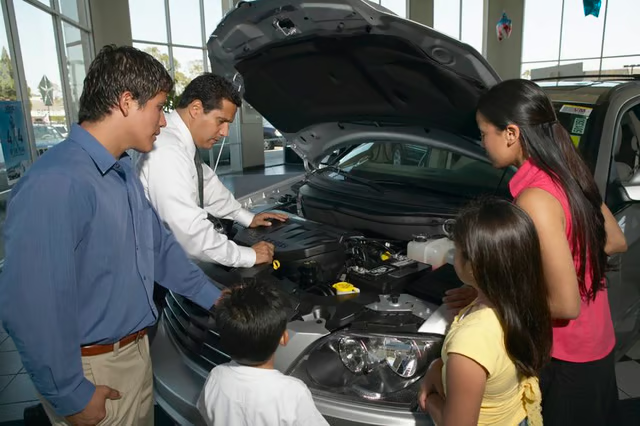
Ask a mechanic to check the vehicle for any major problems. Ask the mechanic to send you the inspection report so that the seller will see in black and white any problems with the vehicle. Ask the seller to pay for any major repairs or discount the price of the vehicle to account for the necessary repairs.
Determine the maximum price that you are comfortable paying for the car. This should be the price that you are willing to stick to, even if it means walking away from the purchase. Determine the low price that you are willing to pay for the vehicle, as well.
Offer the seller the low price. Listen to any counteroffers, and increase your offer in small increments. For example, if the seller priced the car for $4,000, and your low offer was $3,000, go up by $50 or $100, not by $500.
Inform the seller when you have reached your final offer. If the seller does not accept your offer, give him your number and tell him that it is good for the next 24 hours if he changes his mind. Walk away and look for another vehicle if you don't hear back or if your offer is not accepted on the spot.
