
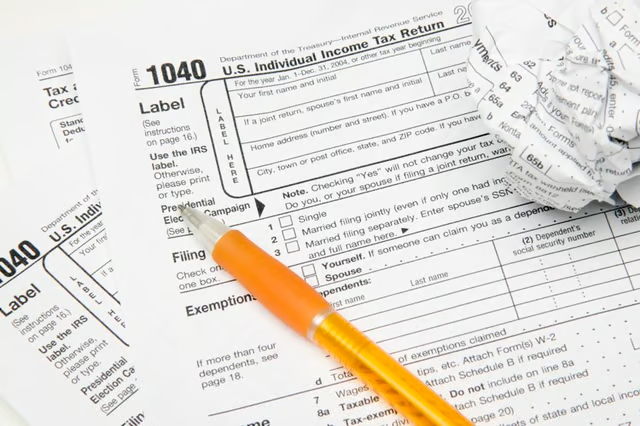
If you think you owe taxes and are going to miss the deadline for filing your federal return, it’s important to file for an IRS extension. Otherwise, you could be subject to a failure to file penalty. The amount of the penalty depends on how much you owe in taxes and whether you have a reasonable explanation for failing to file on time. Different rules are applied to taxpayers who are owed a refund.
No IRS Late Filing Penalty if Refund Due
The IRS suggests that taxpayers file their federal return as soon as possible to avoid missing the deadline to pay taxes. If for some reason you can’t file your return before the deadline, you can request a filing extension. This will give you an extra six months to file, but you are still expected to pay your estimated taxes by the original filing deadline. Those who are eligible to receive a refund from the IRS are not subject to a penalty for filing late because they don’t owe taxes. There is no penalty for filing your return after the deadline when the IRS owes you money, even without an extension.
Many taxpayers don’t file a return because they think they didn’t earn enough income. However, even if your income is below the federal minimum for filing, your employer may have withheld money for taxes that will be refunded to you if you file. You also may qualify for money from the earned income credit and other benefits.
Exception for Claiming a Refund
Although you are not subject to a failure to file penalty when you don’t owe taxes, filing late with a refund due could put you at risk of losing your refund. You have three years from the return due date to file a late return for this type of refund. This rule also apply to a return with tax credits, including the earned income credit. After the three-year deadline, you will no longer be able to claim the refund.
2018 Tax Law
For the 2018 tax year, the deadline to file a return is Monday, April 15, 2019. The IRS suggests that taxpayers who expect a refund only use e-file for their returns and request their return via direct deposit in order to receive refunds as quickly as possible after filing. Another reason for filing on time is to start the clock on any future audit. Most audits only go back three years from the date you file your return, so the sooner you file, the better.
2017 Tax Law
If you are owed a refund for the 2017 tax year and need to file a late return to receive it, you can find forms and information for past tax years on the IRS Prior Year Products website.
